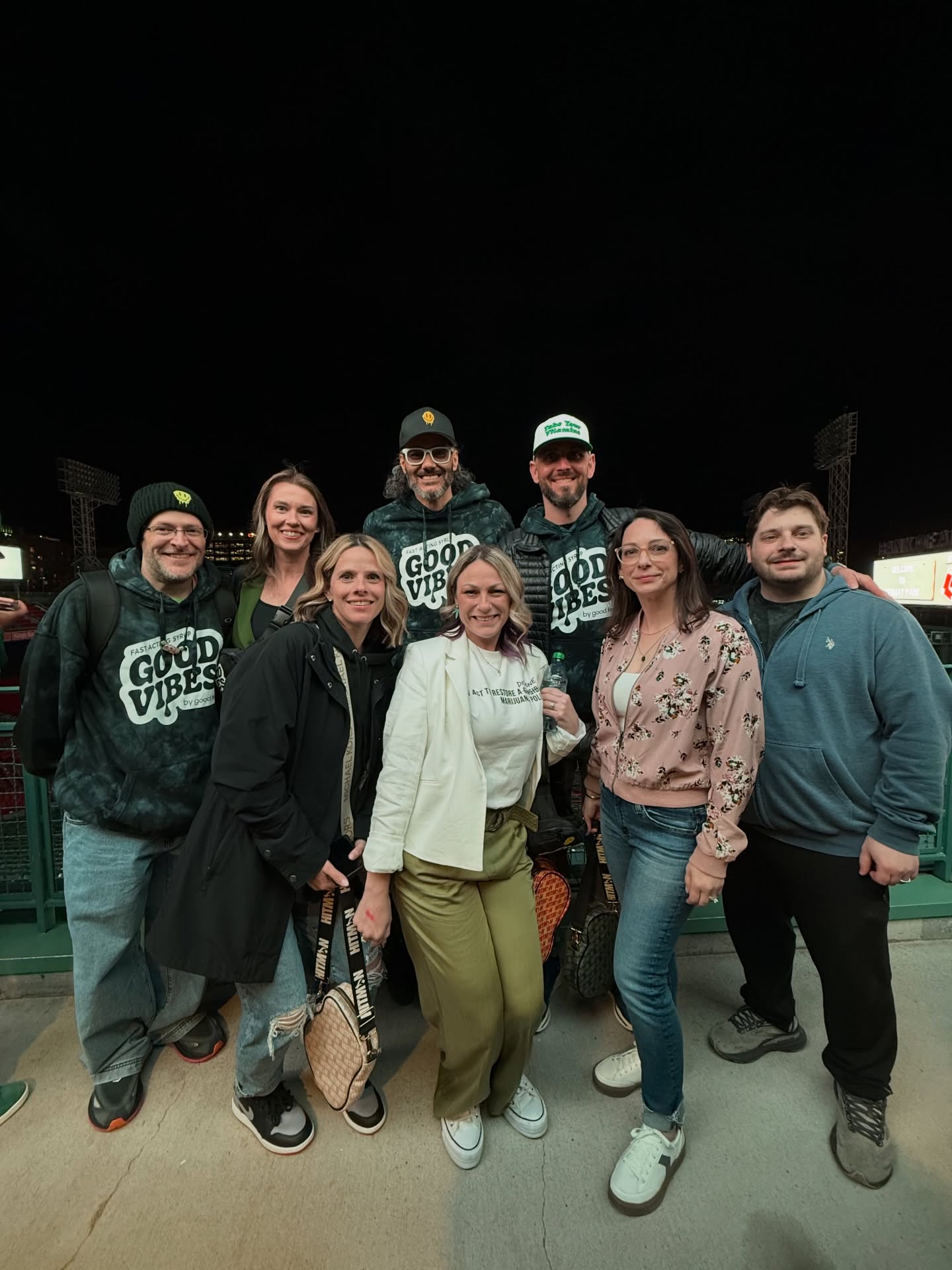
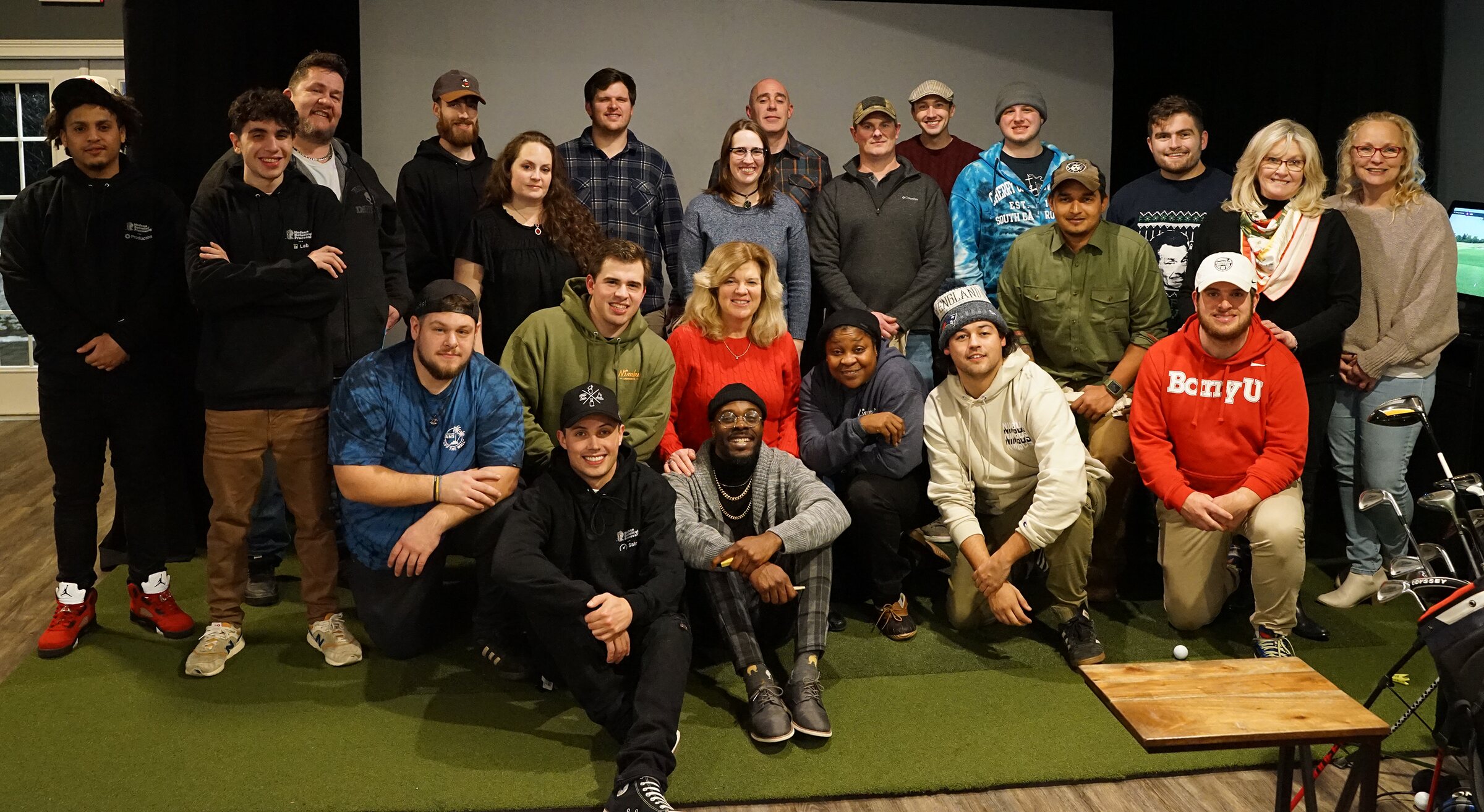
Manufacturing facility · Medway
Good Feels Inc.
31 team members · Updated August 2026
The people of Massachusetts cannabis
Massachusetts cannabis is Massachusetts people.
Behind every license
Question 8 puts Massachusetts jobs and livelihoods at risk. This growing wall will show the people behind the legal industry, one crew at a time.
These workers are your neighbors. They are the people you pass at the grocery store, see at school pickup, and stand beside on local sidelines. They pay taxes, raise families, and build their lives in the same Massachusetts communities they serve.
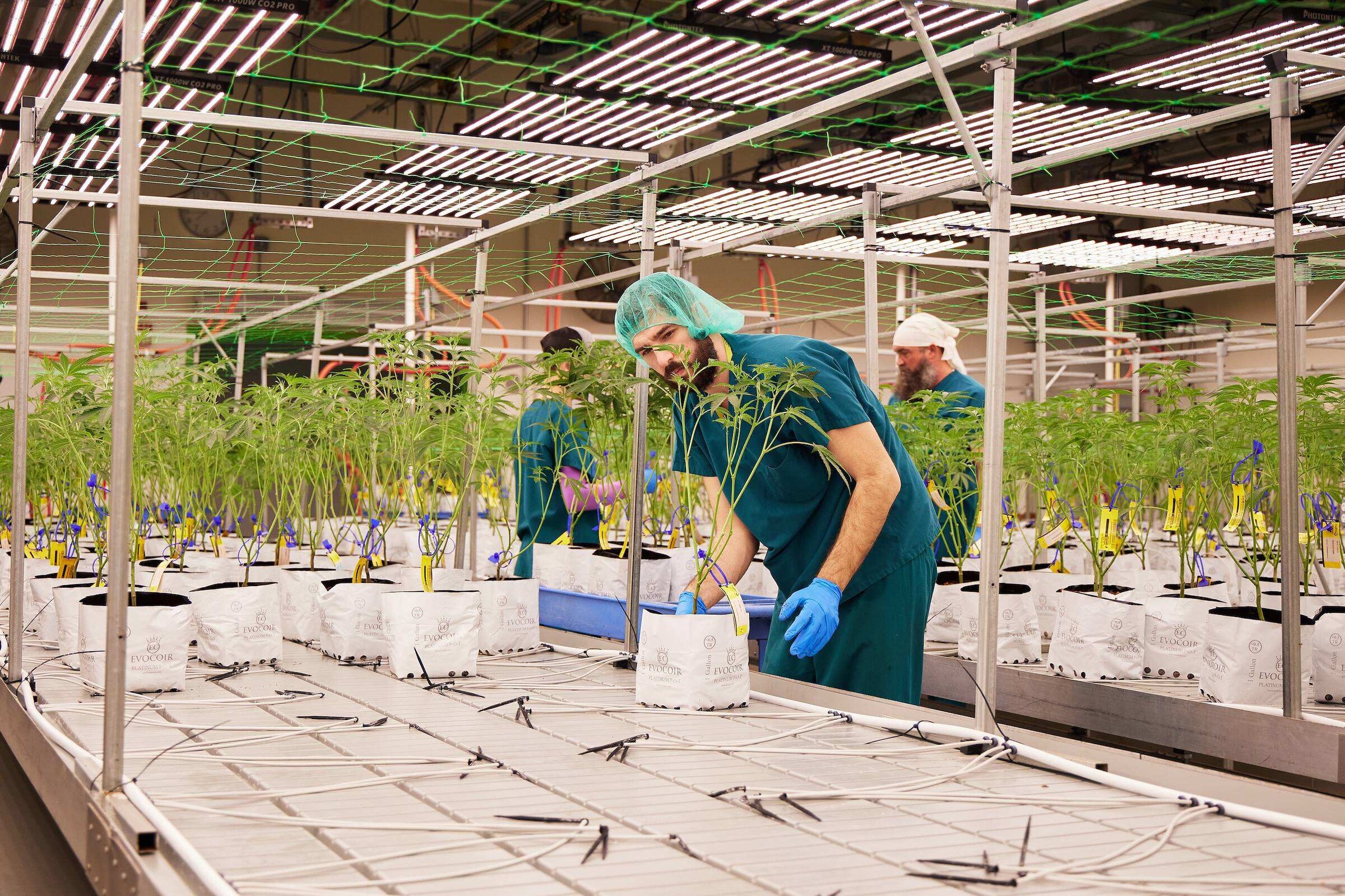
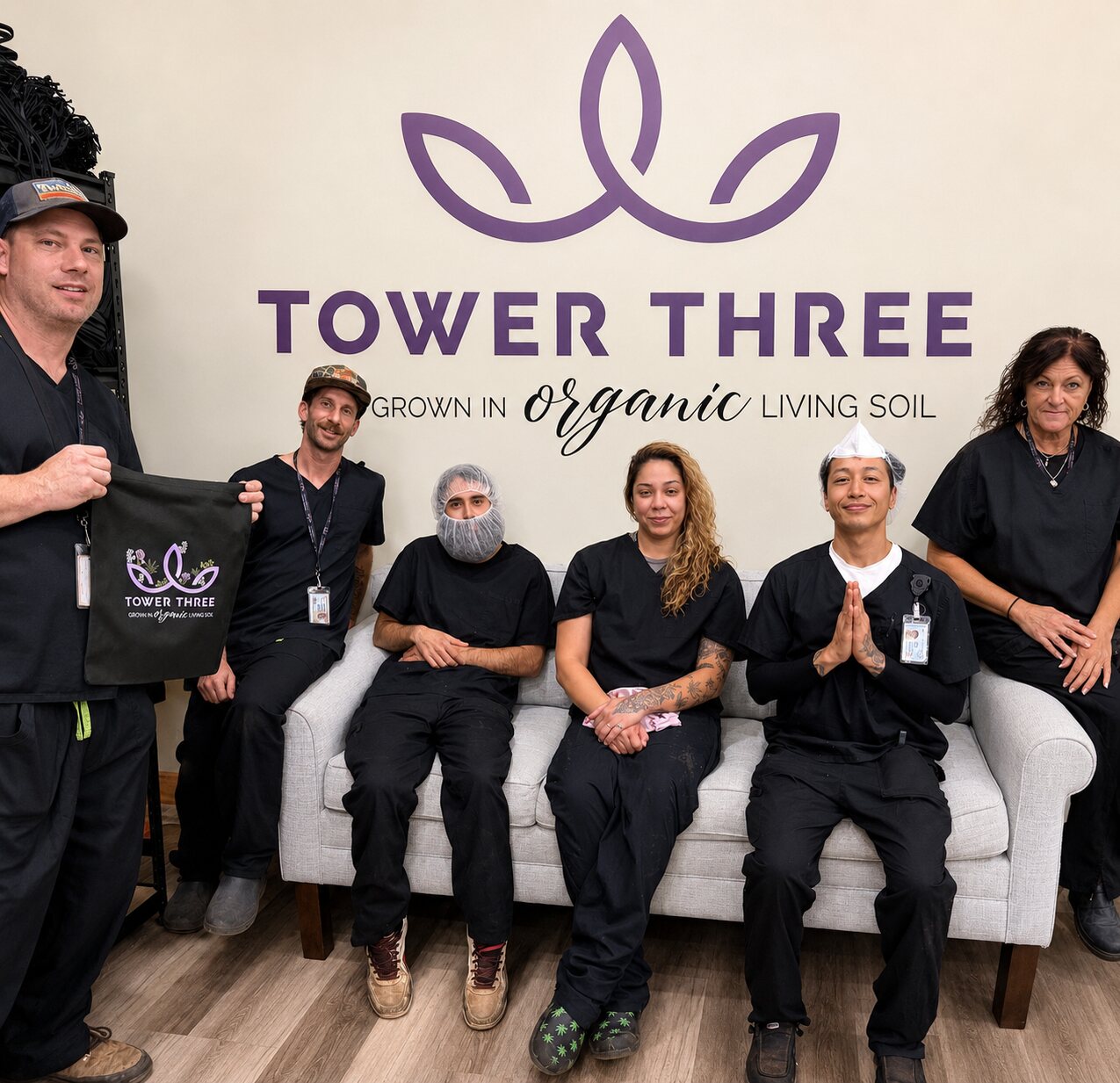
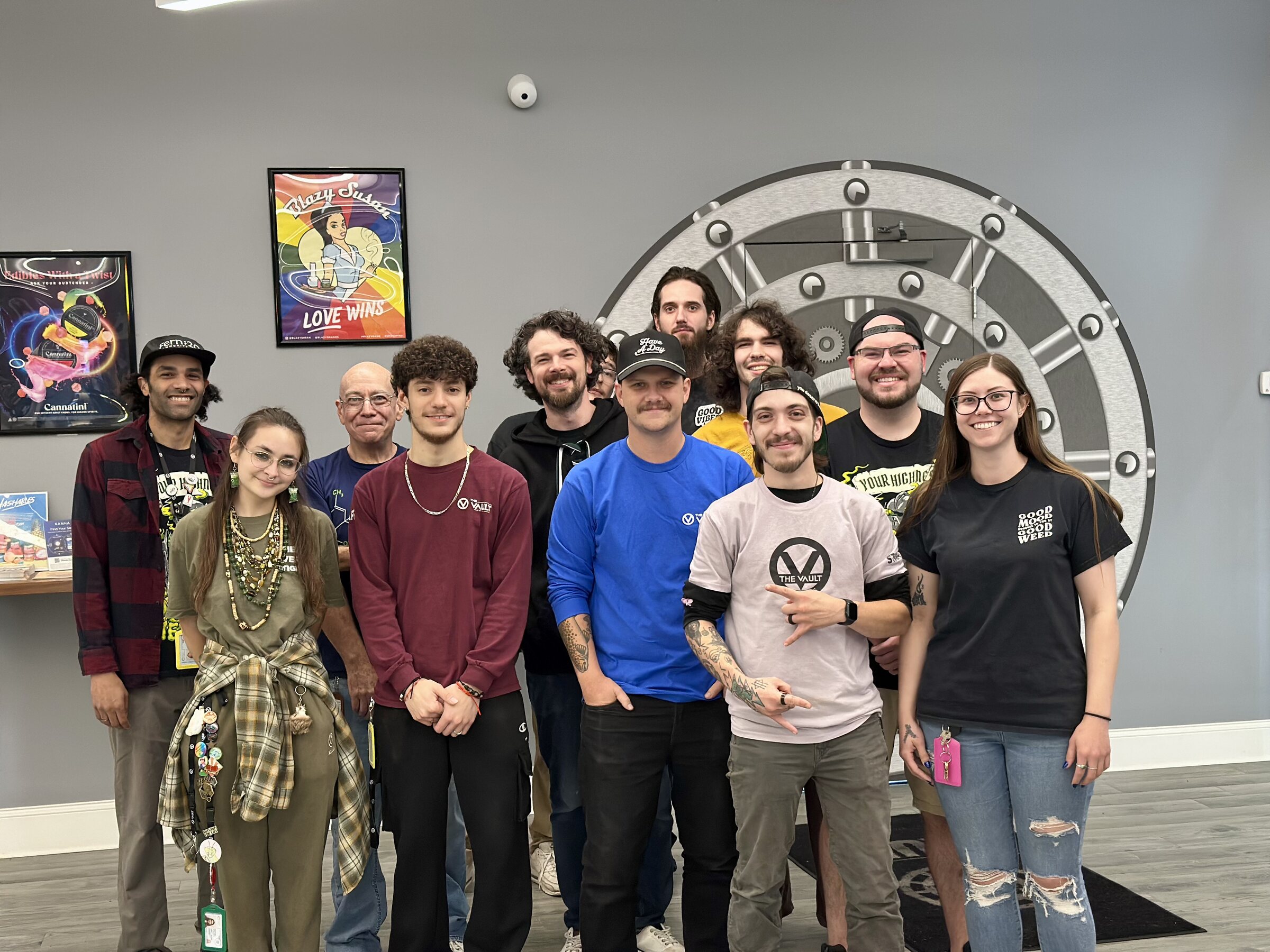
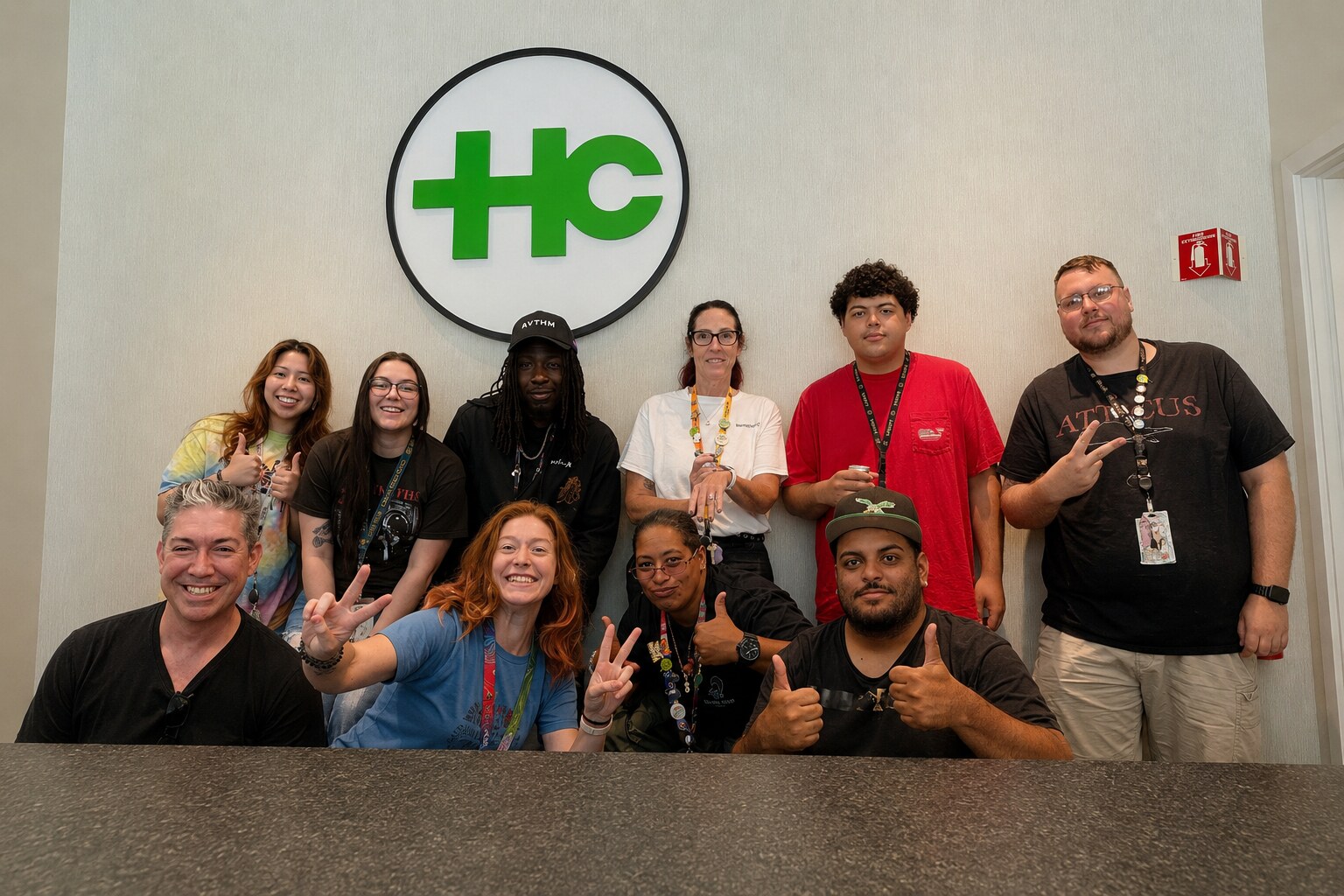
See what Question 8 would doReal crews. Real workplaces. No invented people. Every profile connects a submitted team photo to a real company, its physical Massachusetts locations, current team total, and website.
Showing all workplaces
As more teams join, this gallery becomes a searchable directory with stable pages, business-activity filters, and permanent links for every participating company.
Notes from the people behind the number
A team photo shows who is here. A worker note explains why one of those jobs matters. Massachusetts cannabis workers can share a few honest sentences about what their work makes possible and how losing it would affect their lives.
What I want voters to understand
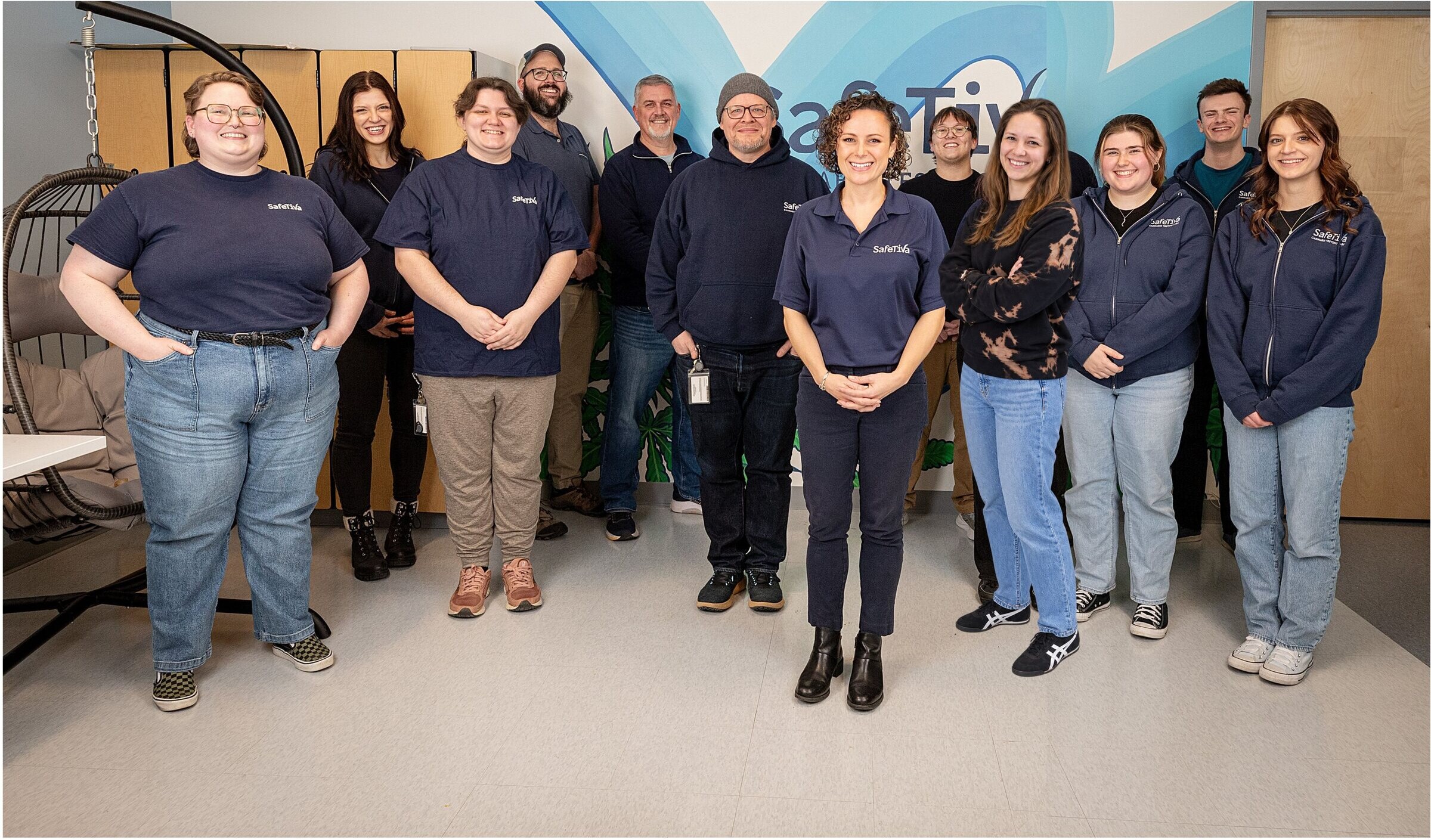
As a PhD molecular biologist and former professor at Hampshire College, I am proud to have started a business in this industry. I bring ethics and best scientific practices to this industry to ensure cannabis is used safely by our community members. I worry that repealing cannabis legalization will cause a lot of harm because the cannabis use won't stop, it'll just be less safe.
Megan · CEO · SafeTiva Labs · WestfieldRead full note
What I want voters to understand
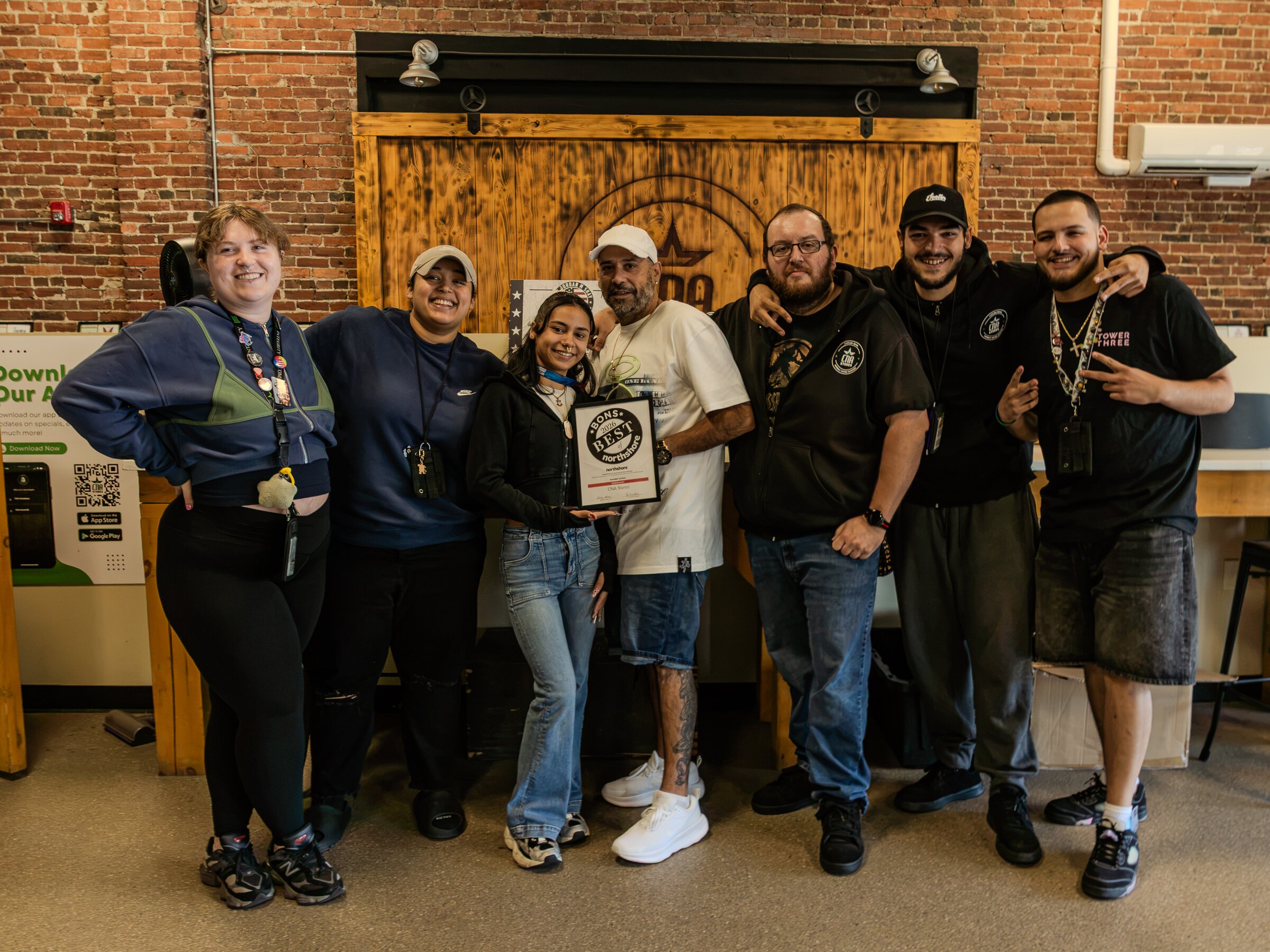
Over the past five years—and still counting—CNA Stores has delivered roughly $1.7 million to hyperlocal charities in Amesbury, Haverhill, and Dorchester, alongside 3,300+ volunteer hours since 2020. We channel $20,000 to $26,000 monthly directly into local causes, while matching those charitable donations back to our team.
Through our Snow Angel Project alone, we clear winter storms for 30 low-income Amesbury seniors—accounting for 108 of our 219 community hours so far this year.
Every dollar and hour is fully documented. If our operations are impacted, this funding vanishes, essential programs suffer, and vulnerable neighbors lose a critical safety net. There is simply too much at stake and many unseen faces.
Scott Winters · Director of Business Development · CNA Stores · AmesburyRead full note
How losing this work would affect me
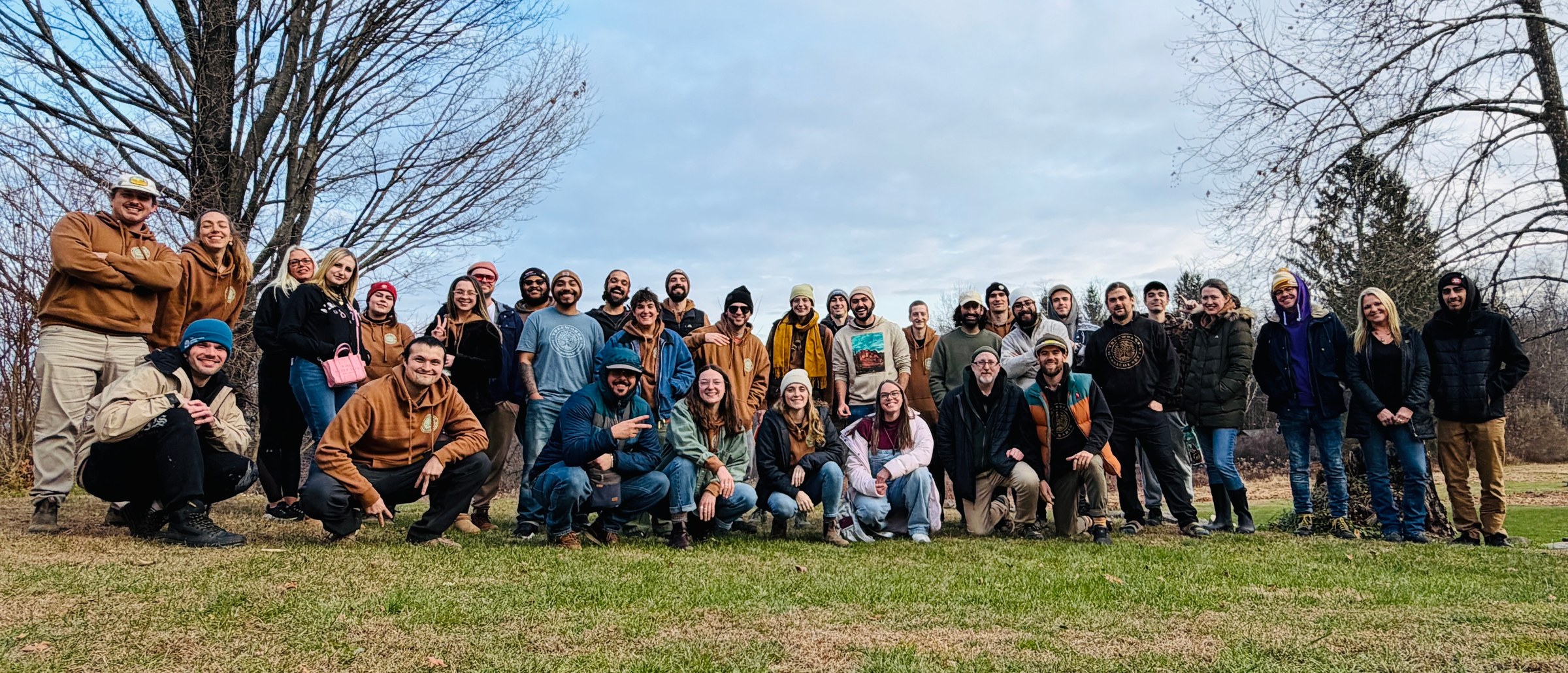
We are a locally owned, veteran-run family business that supports 117 families. When I say “family business,” I mean that literally. My wife delivers products, works in our stores checking IDs, helps organize events, and packages products. My oldest son has helped build out our locations and has worked in nearly every part of the business—from bud tending and managing inventory to running a retail store, growing, working in the lab, and helping develop and set up our operations. My youngest son works on our marketing and SEO, and my daughter will be joining us in the office to help with HR and services.
Losing these jobs wouldn’t just impact me. It would impact my entire family and the 117 families who depend on this business to make a living and support their own families.
But what we’ve built goes beyond jobs and paychecks. Our team has become a family. We support one another, celebrate together, struggle together, and work together to make a difference in the communities that have supported us.
One of the things I’m most proud of is the culture of giving we’ve created. Through our charity jar program, we’ve been able to support a different local charity every month and raise approximately $20,000 each month for organizations in our communities. And we have as a team performed over 3,300 hrs of community service hours in support of our mission to give back.
That’s what would be lost. Not simply a business or a number of jobs, but something my family, our employees, and our communities have built together.
We love the communities we’re part of, and seeing what we can accomplish together as the CNA family has been one of the most rewarding experiences of my life.
Robert DiFazio · CEO · CNA Stores · AmesburyRead full note
How losing this work would affect me
I didn’t start smoking weed in high school. I don’t have stories about hiding flower from my parents and hiding highs from my teachers. I didn’t get lit with friends at parties and make stupid decisions that I regret today.
Instead, I grew up sick. I grew up in and out of hospitals, rarely listened to but often medicated. I grew up feeling completely out of touch with my body and brain, and was taught that professionals would always know better than me when it came to my health.
Then I smoked weed at age 21. Yes, the plan was to get high. Yes, I did get high. But on the first exhale, I knew that I had found my medicine. While the friends I was with were stoned, laughing, and enjoying an altered reality - I felt relief for the first time in my life. Relief from constant physical pain. Relief from nausea. Relief from feeling every part of my body in a way that was more overwhelming than I could ever vocalize to any doctor. Relief from the very particular form of mental anguish that comes with lifelong illness.
And while I also got stoned, laughed, and enjoyed my altered reality, I knew that I needed to find a way to keep that relief going. To isolate the parts of the high that made my life easier to live.
This led me down an ironic path, as the solution didn’t come from medical cannabis. Our medical program in Massachusetts made accessing the medicine I needed impossible, because the products I needed weren’t produced by medical retailers, and those retailers weren’t even accessible where I lived. A medical card gave me the right to access, not access itself.
It wasn’t until my medicine was marketed as “recreational” that I could actually access what I needed in a safe way. It wasn’t until recreational cannabis existed in this state that most of the products I use today were created. And access to the products themselves was only part of the benefit. With recreational legalization came access to education. Less limitations on the conversations retailers could have around cannabis and its benefits. Less stigma associated with integrating cannabis into my lifestyle, versus using it solely as a mind-altering substance.
I work in cannabis, and my life - and the lives of my family - would only be negatively impacted with a recreational repeal. And still the biggest impact would not be on my income, but on my ability to live my life everyday. The ability to leave my home, function in the world around me, and truly be a contributing member of society.
Without recreational cannabis, I would be on government assistance. I would most likely be unemployed due to disability, and unable to provide for the family I created while having access over the past 8 years. I would transition from a person who lives with chronic pain and illness, to a person who is defined by it, and unable to overcome it.
Recreational cannabis legalization is imperative to my health, and to the health of so many others in Massachusetts. And while my experience may be on the more extreme end of the spectrum, people with lesser needs still deserve the same access. Access to help with sleep, anxiety, appetite, mood regulation, pain, and countless other obstacles that get in the way of living a happy life. Personally, I refuse to go backwards, and I’m endlessly hopeful that my state will vote the same in November.
Please, vote No on 8.
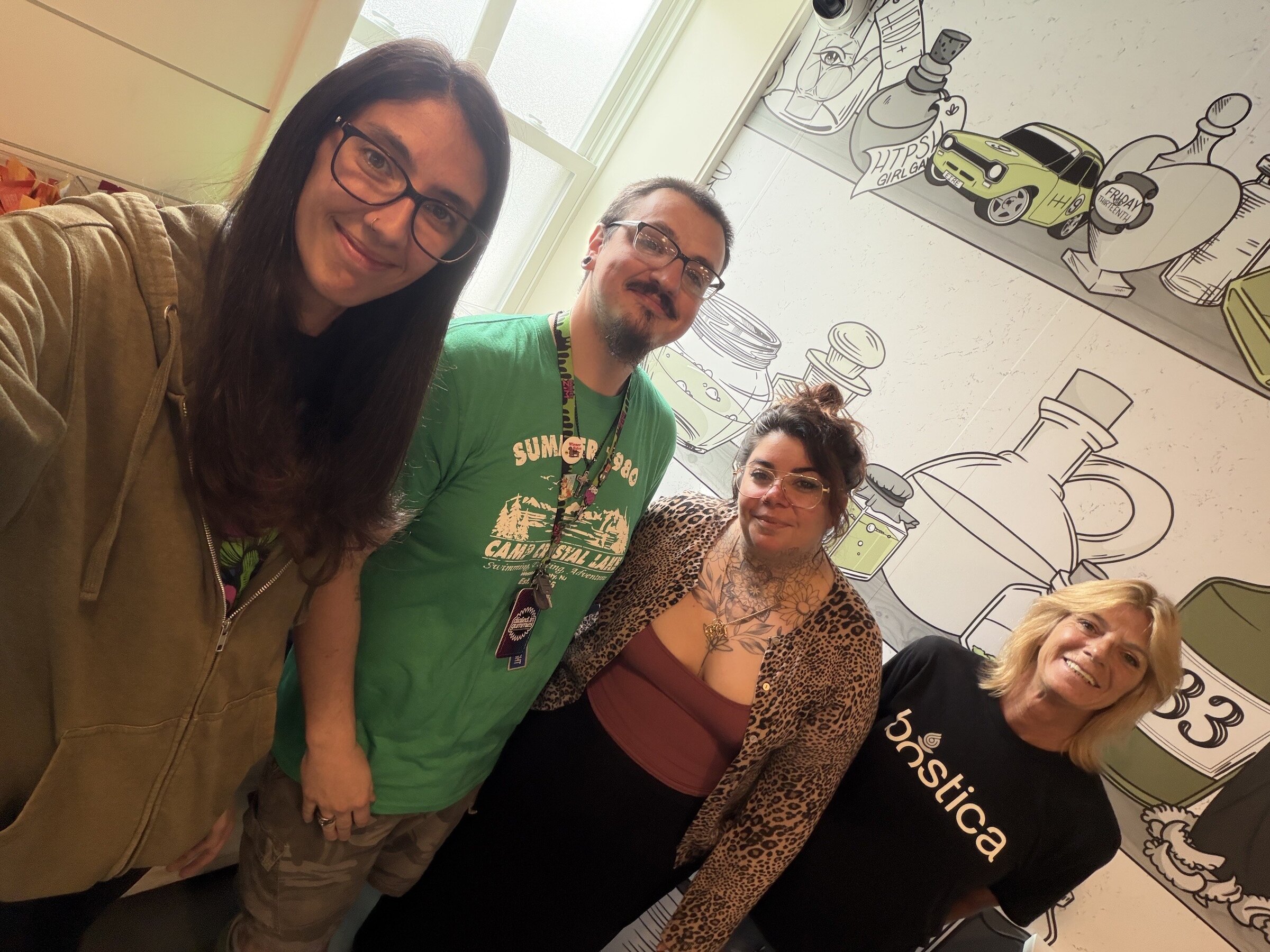
Elizabeth · Treeworks · West HatfieldRead full note
Share your name and role, or ask to be identified only by your job and Massachusetts community. Notes may accompany a workplace profile or stand on their own. Every note is reviewed with its author before publication.
Workplace-reported staff totals
Not everyone has to appear in the photograph. Each profile represents everyone the company regularly pays to do its work in Massachusetts, including full-time, part-time, and regular contractors. Incidental outside vendors are not included.
The people who choose to be photographed stand for the entire workplace team. Counts are reported by each participating company.
The public tally
These profiles count the people behind legal cannabis. The Repeal Tally records where individual Massachusetts residents stand on Question 8. One verified inbox, one entry.
Add yourself to the public tallyOne team photo and a few workplace facts can help Massachusetts voters see exactly who and what is at stake.